



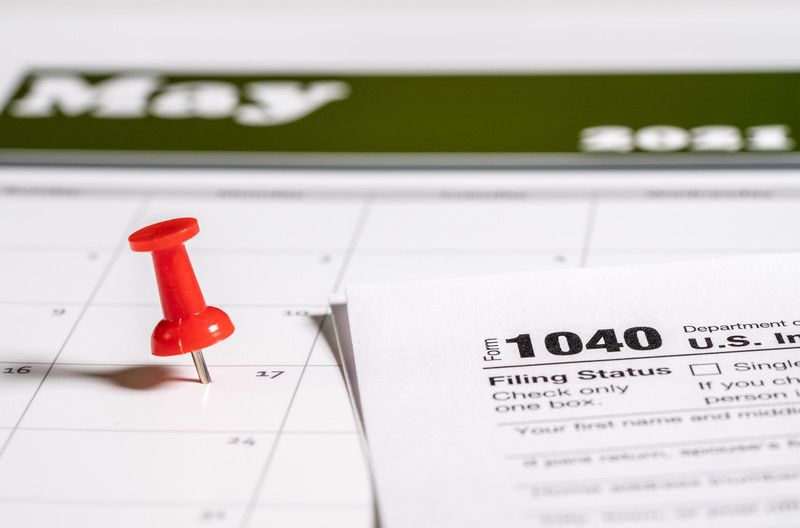
There’s no denying that missing tax day is stressful. However, it’s also a mistake that you can fix, and that’s more common than you might think. Regardless of whether you didn’t have all your documents ready, couldn’t pay what you owe, or simply forgot, you still have options to reduce the financial impact.
As a professional tax preparer, Western Shamrock explains what happens if you file taxes late so that you can remedy the situation as quickly as possible and get back on track.
Don’t Panic, but Don’t Ignore It
The worst thing you can do if you miss the tax deadline is nothing. Ignoring the issue can lead to increasing penalties and more interest due over time. Here are the steps to take when you realize that you have missed the filing deadline.
Step 1: Confirm Your Actual Due Date
What are tax deadlines, and when is the last date to file taxes?
Not everyone’s tax deadline is the same, as some people automatically receive additional time to file their taxes due to extenuating circumstances. Examples include living or working abroad, serving in the military in a combat zone, or living in a federally declared disaster area. If you requested an extension before the tax deadline, you may have until October to file your return.
However, keep in mind that getting an extension only gives you more time to file your taxes – not more time to pay them. Any taxes owed are still due by the original filing deadline.
Step 2: File Your Taxes as Soon as You Can
If you missed the filing deadline, don’t delay any further. Filing quickly, even after the deadline, can reduce or stop the failure-to-pay penalty from increasing and get you back in compliance with the IRS.
Contact the Western Shamrock branch nearest you to inquire about urgent filing help.
Pay What You Can Right Away
Paying something, anything, is always better than paying nothing at all.
A partial payment can reduce your overall penalty burden, reduce accruing interest, and show good faith in resolving your tax balance. Always file your taxes, even if you can only make a small payment now rather than the full amount.
What If You Miss the Taxes Deadline?
For many taxpayers, the IRS applies a combination of penalties and interest for paying taxes late.
Failure-to-File Penalty
What is the penalty for filing taxes late? The IRS calculates this penalty as a percentage of unpaid taxes per month, which can increase the longer you wait to pay. However, there is a maximum cap if your delay continues for several months.
Failure-to-Pay Penalty
A separate penalty applies for not paying what you owe. The IRS charges a monthly amount on your unpaid balance, and this charge continues until you pay your balance in full. The failure-to-pay penalty is typically smaller than the failure-to-file penalty.
Interest Charges
In addition to these two penalties, interest begins to accrue from your original tax filing deadline. This interest compounds daily and continues until you pay the balance in full.
What If You’re Owed a Refund?
However, the situation is typically much less stressful if the IRS owes you a refund rather than if you owe the IRS money. If you don’t owe any money for taxes, there usually aren’t any penalties for filing late, and you won’t be charged interest.
However, you’ll still need to file your return to receive your refund. There is a limited window of about three years to claim your refund; otherwise, you’ll forfeit it.
Can You Still File for An Extension After the Deadline for Taxes?
Typically, no, because the IRS requires taxpayers to request an extension before the original deadline for taxes. Once that date has passed, applying retroactively generally isn’t an option. Exceptions exist in certain circumstances, such as disaster relief situations.
Also, remember that extensions only apply to filing your tax return – not to payments due.
What If You Can’t Pay in Full Right Now?
Fortunately, you still have options if you can’t pay your full tax bill right now.
Payment Plans
You can enter into an agreement with the IRS to make installment payments over time. Short-term plans work for smaller balances that you can pay off within a few months, while long-term plans involve monthly payments over a longer period.
Offer in Compromise
You may also be able to settle your tax debt for less than the full amount you owe. If you qualify for this option, you will need to provide financial documentation that proves paying the full amount would create significant hardship.
Temporary Collections Delay
If you need short-term relief while you stabilize your financial situation, you can contact the IRS to request a temporary pause in collections. This option doesn’t eliminate your debt; rather, it places it in “currently not collectible” status, while interest and penalties may continue to accrue.
Does the IRS Ever Waive or Reduce Penalties?
In occasional situations, the IRS may waive or reduce the penalties if you demonstrate reasonable cause and have a history of filing and paying on time. Examples of reasonable cause include a serious illness or a natural disaster.
Penalty relief can significantly reduce the taxes you owe if you can clearly explain your situation and provide backup documentation.
How to Pay the IRS After the Taxes Deadline
What happens if you file taxes late but still want to make a payment after the deadline?
You can pay your taxes electronically via direct debit or an online payment system. You can also make a payment by credit or debit card, or mail a paper check or money order. Keep in mind that electronic payments are generally faster, more secure, and easier to track.
Missing the Tax Deadline Can Impact More Than Just Taxes
Unfortunately, missing the taxes deadline can have ripple effects beyond the associated penalties and interest.
Filing late can delay your tax refund and result in ongoing IRS notices and collections efforts. You might even experience complications when applying for a loan or other financial service.
Setting Yourself Up Better for Next Year
Once you’ve handled your current late tax filing situation, it’s a good idea to plan better for next year so you aren’t caught off guard again. For example, you can discuss with your tax preparer how to adjust your tax withholding or make quarterly estimated payments throughout the year.
It may be necessary to keep better records of your income and expenses for the year ahead and also set reminders to help you keep up with important tax deadlines. If you think you’ll need more time to file your taxes next year, make a plan to request an extension early to avoid last-minute stress.
Common Mistakes to Avoid After Missing the Deadline for Taxes
- Simply ignoring IRS notices you receive
- Waiting to file your taxes until you have enough money to pay in full
- Assuming you got the extension you applied for without confirmation
- Not exploring all available payment and debt relief options
- Making a rushed tax filing decision without understanding the consequences
FAQ Related to “What are Tax Deadlines?”
What should I do first if I missed the tax deadline?
First, confirm that you actually missed the deadline you needed to file by. Then, file your tax return as quickly as possible and pay what you can to reduce accruing interest and penalties.
What happens if I file late but don’t owe anything?
There typically aren’t penalties involved if the IRS owes you a refund. However, you must still file your return to receive that money.
Can I still set up a payment plan after the deadline?
Yes, the IRS offers payment plans after the tax deadline has passed to help you pay your full balance in installments over time.
Can penalties be removed if I had a valid reason?
Possibly, you might be able to qualify for penalty relief if you can prove a reasonable cause for filing taxes late and otherwise have a good history of compliance with the IRS.
What happens if I ignore the situation completely?
Ignoring the issue is the worst thing you can do, as it can lead to increased penalties, additional interest, and collection actions. You can minimize the long-term impact of paying taxes late by addressing the issue as soon as possible.
If you have additional questions about filing taxes or tax deadlines, please contact us online, by phone, or visit your local Western Shamrock branch.
Originally published March 26, 2001.