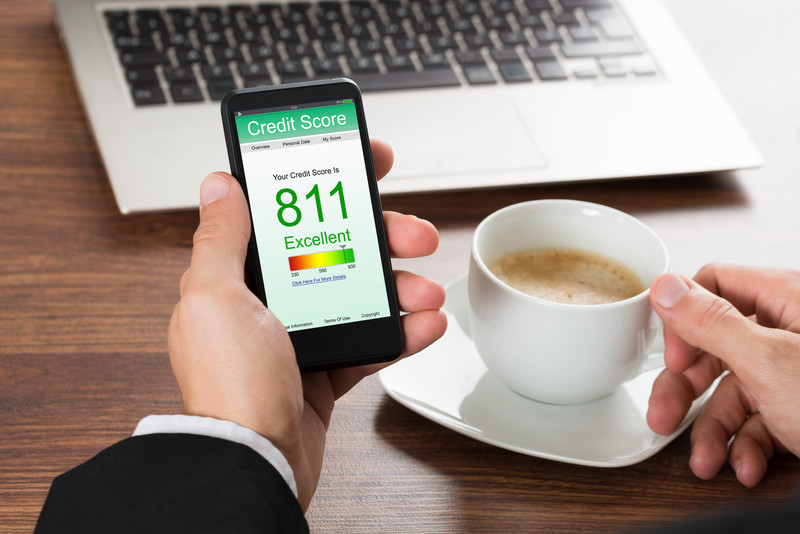
Your credit score affects every aspect of your life. A good credit score increases buying power for a home or car and helps you get approval for credit cards and loans. Unfortunately, when you have a bad credit score, you are deemed “higher risk” and this can negatively affect your ability to rent property or qualify for additional credit. If you’re lucky enough to obtain a loan or credit card, it will be at a much higher interest rate.
A credit score is a three-digit number that banks and other lenders use to determine your creditworthiness. In short, they use it to decide whether or not you are a financial risk. A credit score can also help banks make a final determination on the amount of money they are willing to loan.
There are three main credit reporting agencies that lenders and creditors use: Experian, TransUnion and Equifax. While their numbers may vary slightly, they use roughly similar formulas to calculate a person’s final credit score value. The factors can be broken down as follows: 35% of the number is based on your payment history, 30% on the amount of money you owe, 15% on the length of your established credit, 10% on new credit, and another 10% is based on the types of credit you owe.
Bad credit follows you everywhere. It can hinder your ability to buy a home, secure a job, rent an apartment or even obtain car insurance. While late payments will remain on your report for many years, there are ways to improve your score faster.
Your credit score didn’t become bad overnight and unfortunately, it will also take some time to improve. However, there are many factors that go into establishing your final credit score. As such, it really depends on which of these factors are affecting your score negatively and what you can do about them.